In Bangladesh: An apprenticeship programme with complex disabilities in mind
In Bangladesh, 66% of people with disabilities are out of employment, due to a combination of stigma and a lack of accessible education and vocational training. To address this startling problem, Sense International’s partner organisation in Bangladesh, Centre for Disability in Development (CDD), founded an apprenticeship programme for deafblind young adults under the Inclusive Futures consortium.
To develop the programme, the team adapted an existing Skills Training for Advancing Resources programme aimed at training school dropouts to support young adults with complex disabilities into employment. It provides participants with the opportunity to learn technical skills, financial literacy, and customer service, and connects them with a Master Crafts Person to provide apprenticeship-level training.
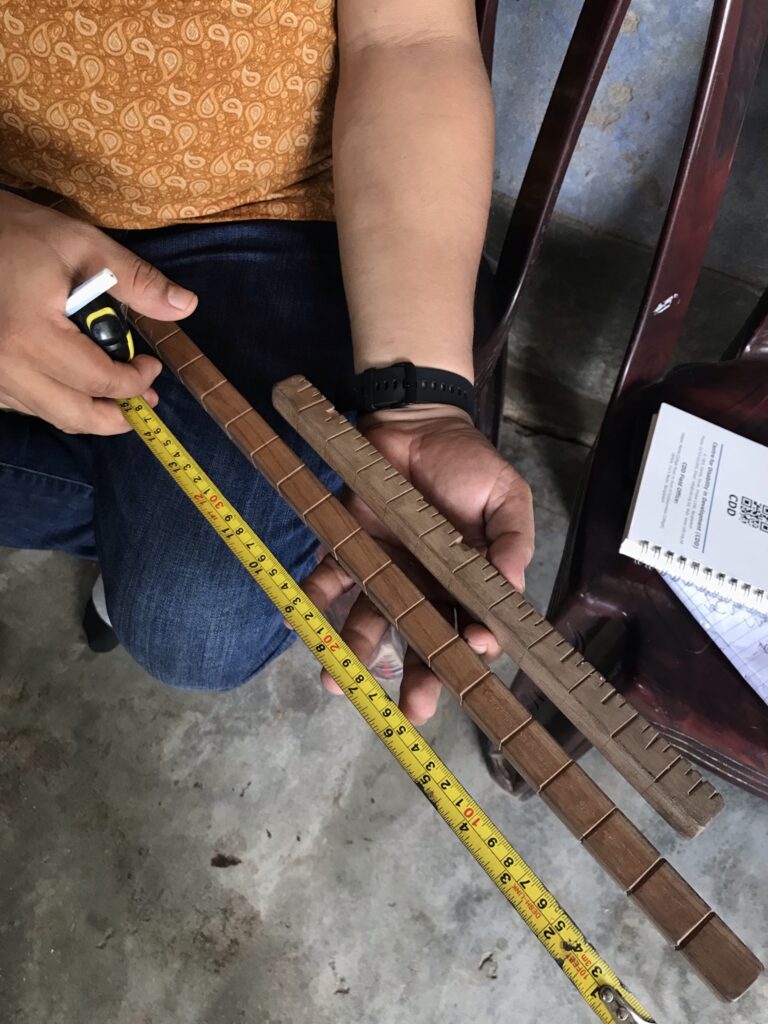
The adapted programme waived existing educational criteria as many people with deafblindness are unable to access mainstream education in the country. It conducted functional assessments to connect participants with assistive devices and make workplace modifications to make their training more accessible, such as installing mobility ramps and tactile tools. It also provided pre-training to support participants with mobility and communications skills. These adaptations ensured that participants had the necessary support during training and were prepared to learn, giving them the best chance at success.
The team provided disability sensitisation and accessible communication training to the Master Crafts Persons who would provide on the job training to ensure they were able to communicate effectively with their apprentices. They also worked with local market committees to sensitise members, encouraging them to continue working with and purchasing products from people with deafblindness, and involved family members of the participants who would be able to support them during and after the training. This created a broader impact of raising disability awareness and addressing stigma within local communities.
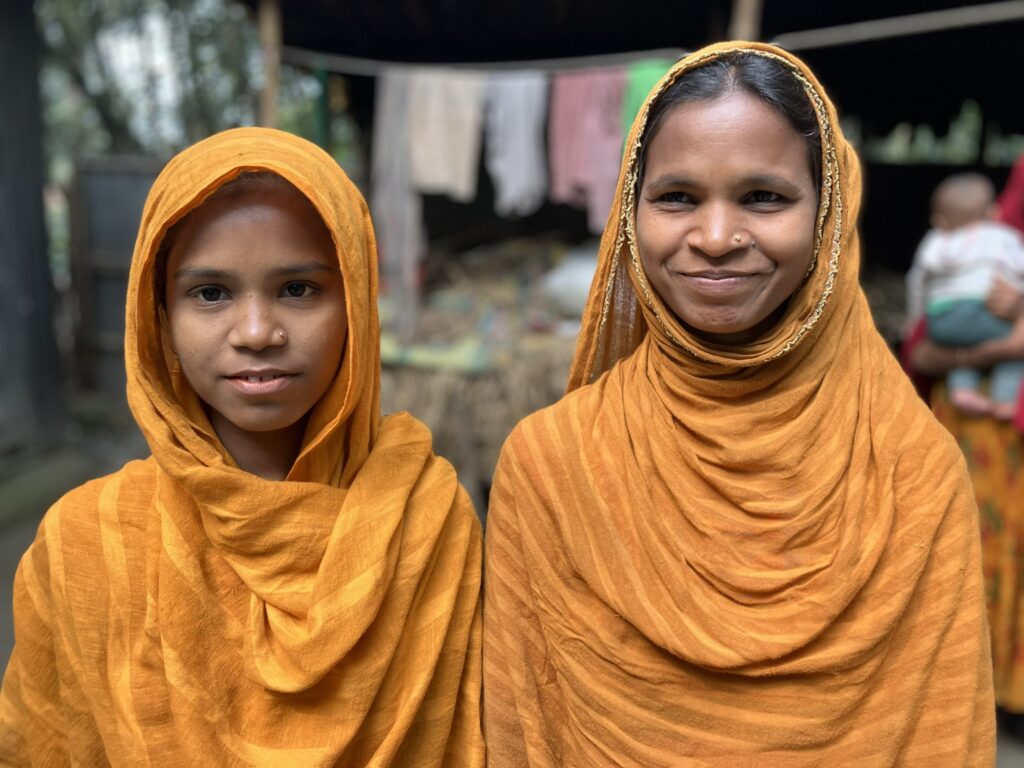
The first iteration of the project was a great success, with 18 young people being employed by their Master Crafts Person and 3 more starting their own businesses. Due to the project’s tangible impact, it has secured further funding from corporate donors for some learners to develop and expand their business. The work has created a powerful opportunity for young learners such as Mortuza to build their independence.
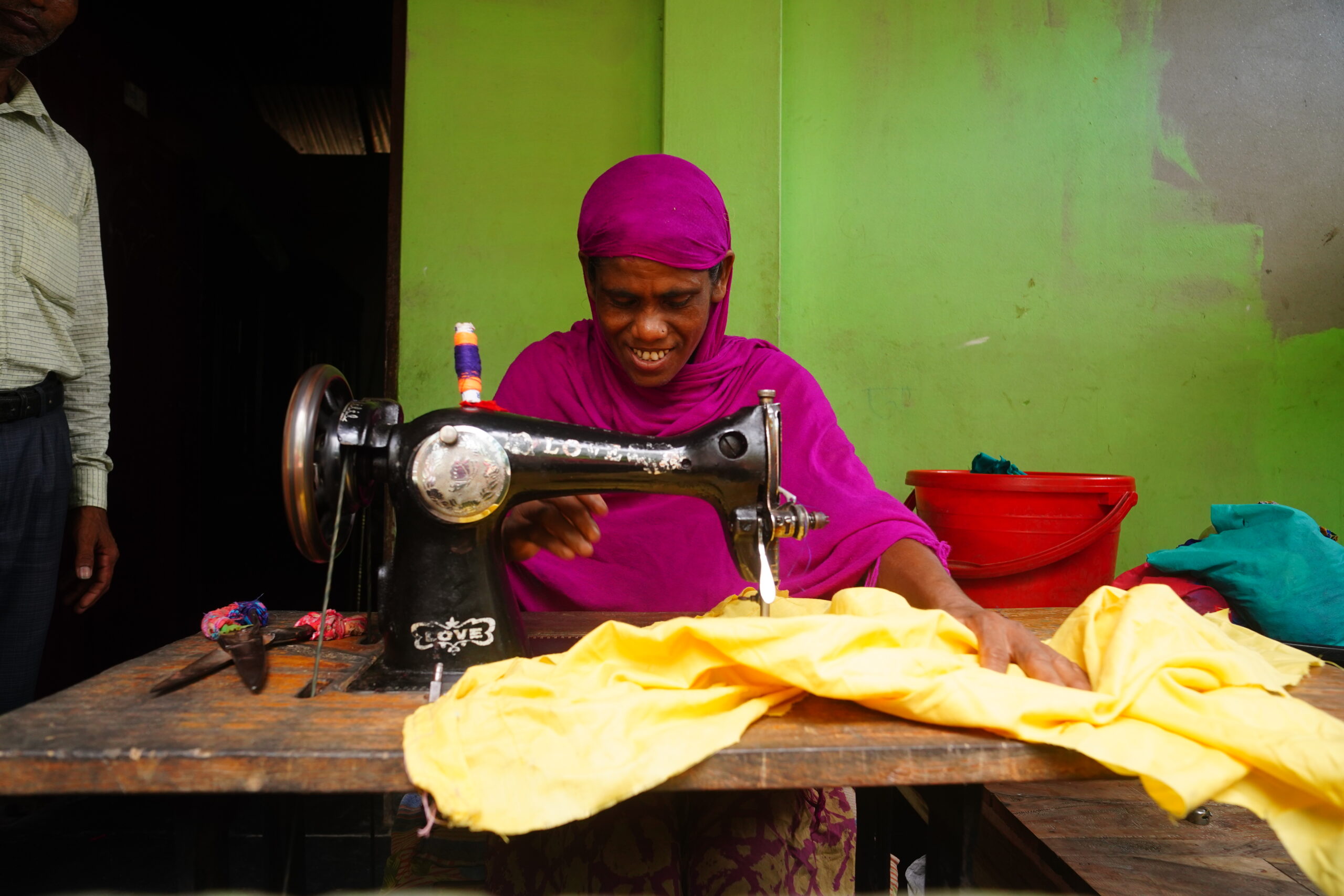
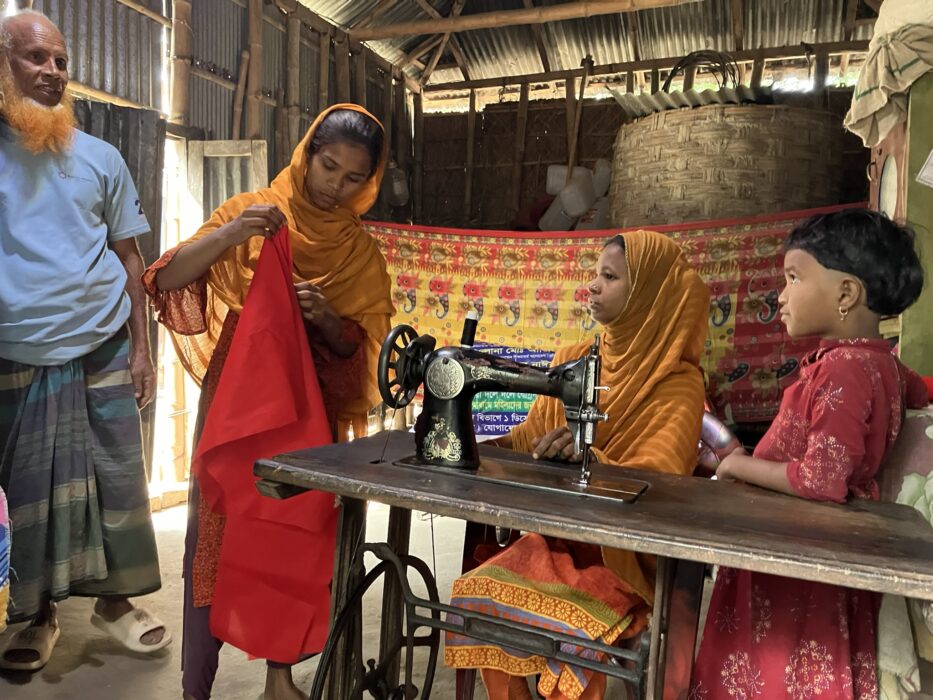
Mortuza, who has deafblindness, is a driven entrepreneur who had been running a small sewing business using a second-hand sewing machine. Connected with Sense International and CDD’s apprenticeship programme, she trained in tailoring under her Master Crafts Person with the support of her sister Moshida. After excelling in the scheme, she was granted seed funding with which she bought a new sewing machine and materials, allowing the sisters to found their own tailoring enterprise. The support has given Mortuza a strong foundation to improve her livelihood; she is now ambitious about expanding her business and serving her community.
“I used to think that persons with deafblindness couldn’t perform better, but now I realize that they are just as capable as anyone else. In fact, I’ve hired a person with deafblindness as a permanent employee, and they have been doing an excellent job.”
Urmi Khatun, Master Crafts Person