
In Tanzania: 87,000 babies screened for deafblindness in three years
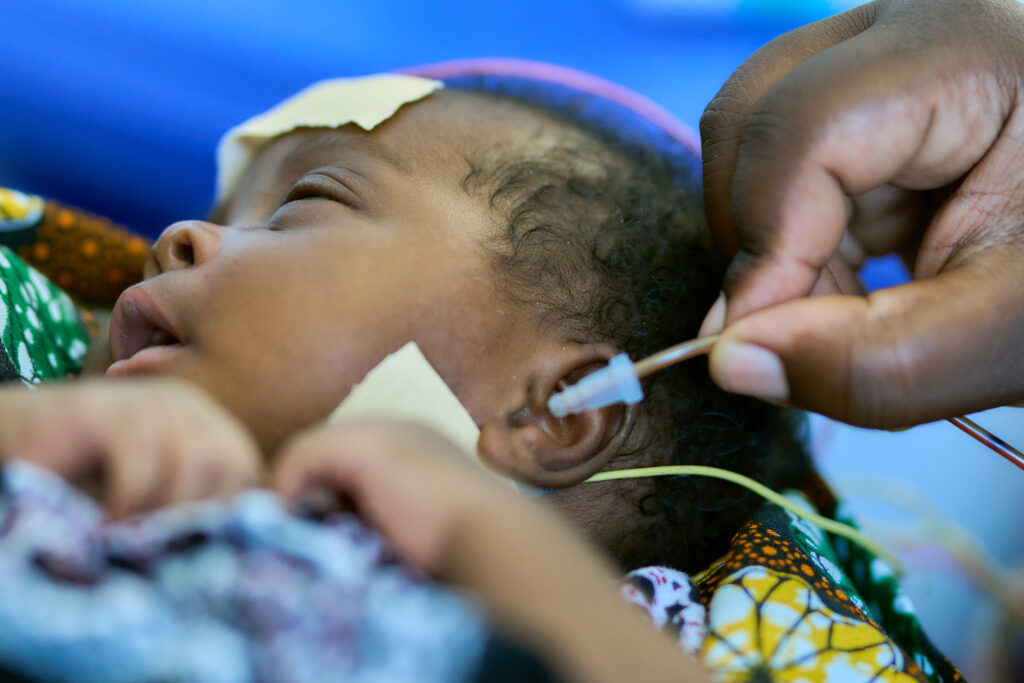
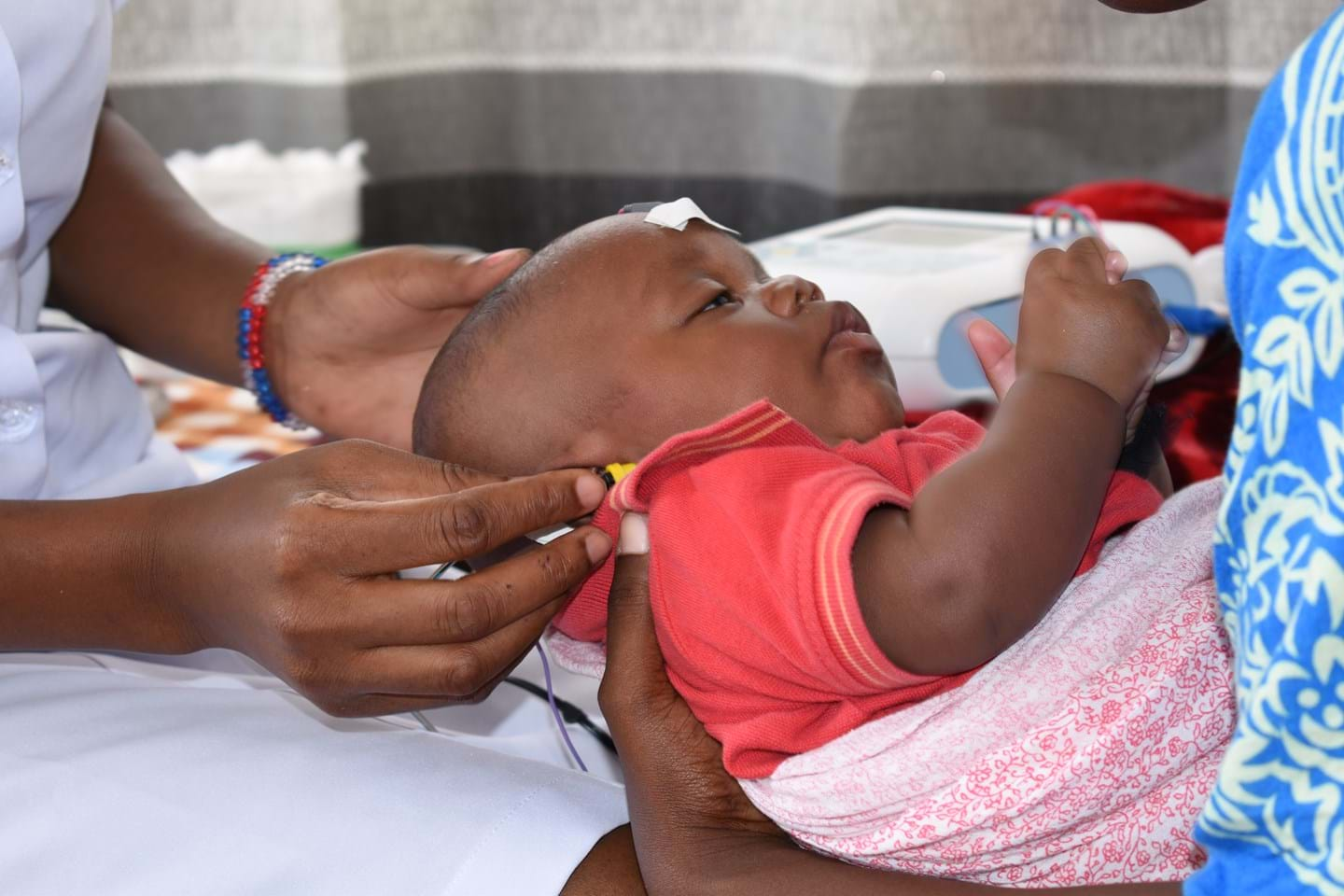
In Tanzania, an Early Identification and Intervention project in partnership with the CareTech foundation has screen 87,000 babies for sight and hearing impairment in the past three years, creating a much-needed pathway for infants with deafblindness into Sense International Tanzania’s occupational therapy services.
The project aimed to fill a gap in the Tanzanian healthcare system, which doesn’t routinely screen newborns for sensory impairments, leaving thousands of children with sight or hearing loss unidentified and unable to access the support they need. For children with deafblindness, accessing early intervention care at an early age is critical; without this service, children are at risk of facing permanent barriers to education, inclusion, and independence.
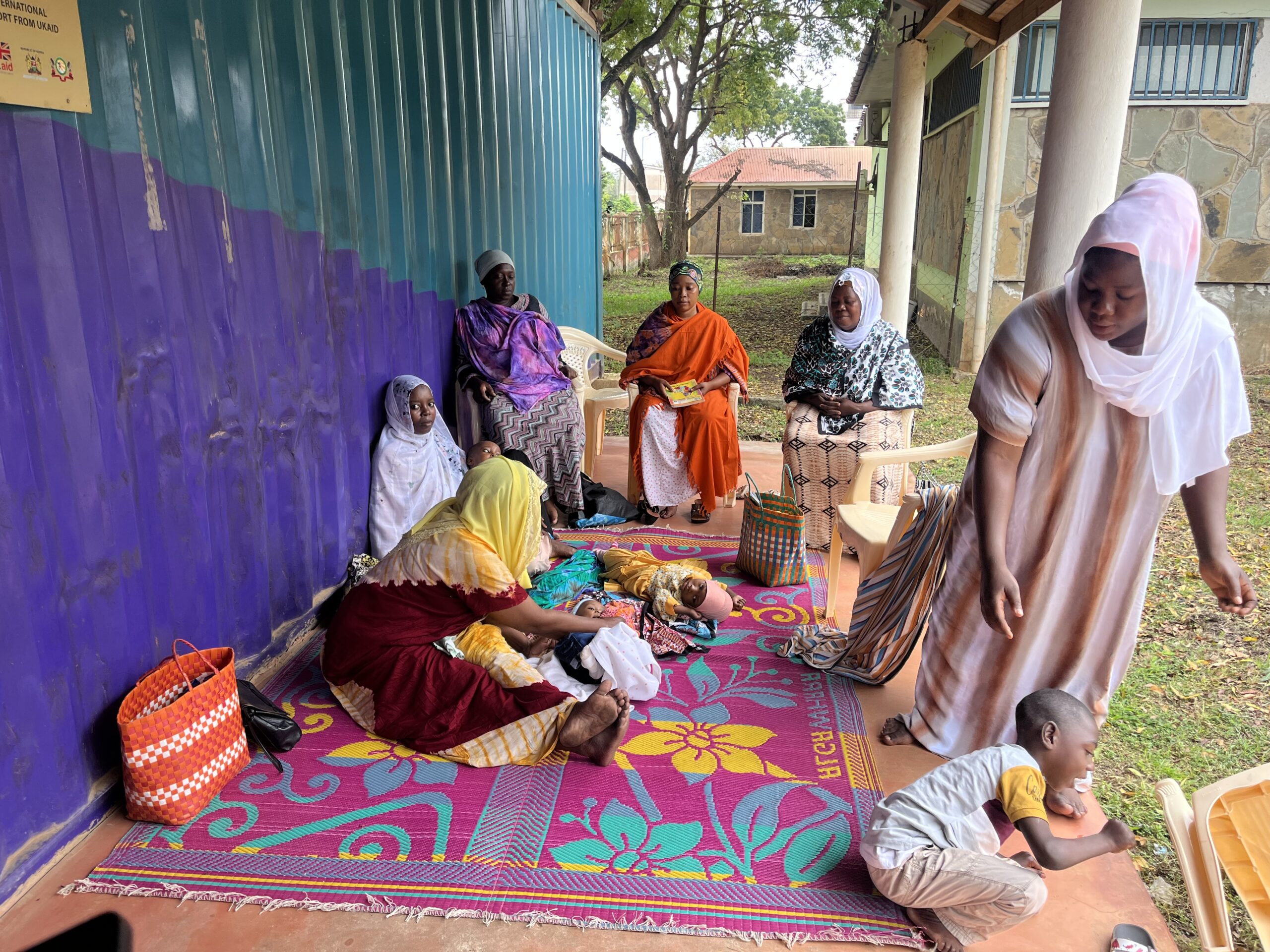
Working together, Sense International and CareTech trained 78 healthcare professionals in 24 hospitals and health centres in Dar-Es-Salaam, a large city with high levels of poverty. To date, over 87,000 children have received screening through a two-stage process which allows a large number of children to be screened at a low cost. Currently 383 are enrolled in Sense International Tanzania’s Early Intervention services.
Samrani’s Story
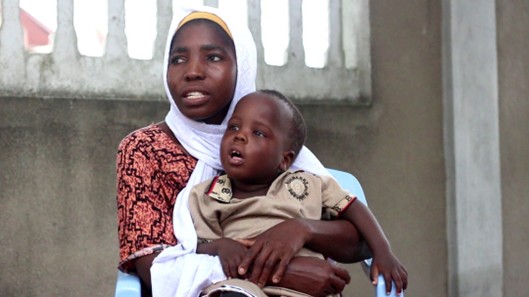
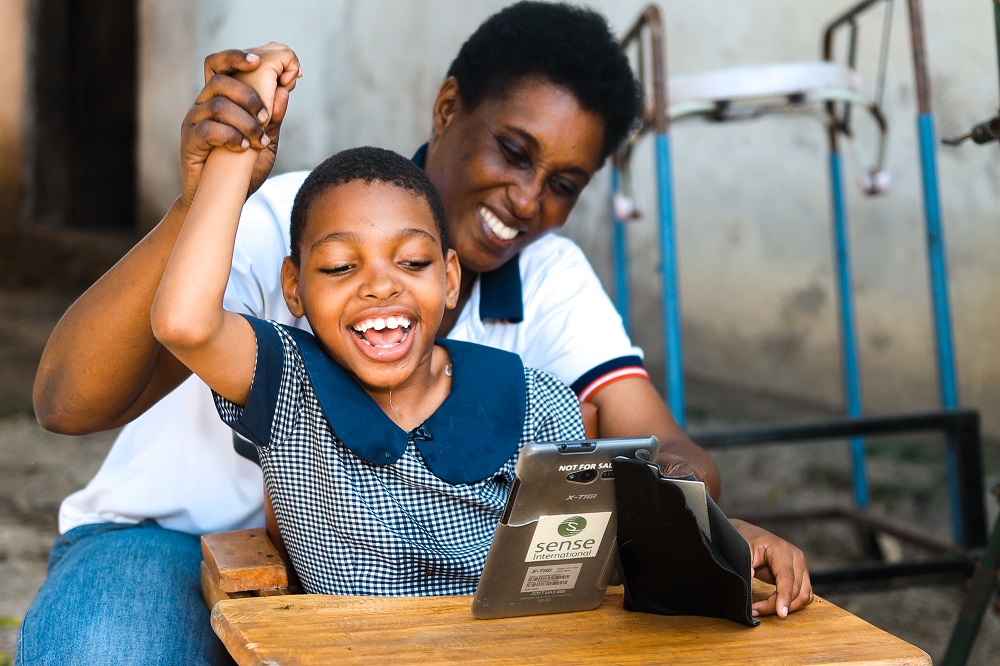
The project has brought hope of hundreds of parents like Samrani’s, who otherwise might not have received support for their children. With their baby missing key developmental milestones, Samrani’s parents were desperate for support. Through the screening project, he received a diagnosis for Cerebral Palsy and was connected with early intervention services. With the support of his Occupational Therapist and the training his parents have received through the programme, he is learning movement and communication skills and beginning to engage with the world around him, shining a light on his future.
Sense International Tanzania is now working closely with the Government of Tanzania to implement this screening into healthcare policy, ensuring this positive change lasts long into the future.
“I have learned so much, and I can see real changes in his abilities. I feel more hopeful and less afraid.”
Samrani’s mother